

0 Comments
Tips on writing a eulogy
A eulogy shares the story of someone’s life. It’s optional, and instead of a complete life story, friends and family can also be invited to briefly share their memories or connection, or what is called a Reflection.
Writing a eulogy for a loved one can be painful, but it sometimes offers a chance for reflection and may help with healing during grief.
The following tips are provided to assist you in preparing a eulogy:
- Start by introducing yourself and your relationship to the deceased. Set the tone by acknowledging the reason that you are there. Ie. Solemn & reflective, uplifting & celebratory or personalised.
- The next portion of the eulogy is their life story. Include key facts, mentioning birth, family, education, career, achievements, and significant relationships. Add some personalstories, sharing anecdotes that highlight their unique qualities (e.g., kindness, humour, passion). Describe their personality using specific examples and talk about the positive difference they made in your life and others.
- To conclude the eulogy, summarise what they meant to you and others. Offer words of comfort to the family. End with a final, heartfelt goodbye, a favourite quote, or a lasting memory.
Tips for Writing & Delivery
- Gather Ideas: Get inspiration from family, friends, or photos.
- Be Authentic: Write conversationally and match their personality.
- Balance Tone: Use appropriate humour.
- Keep it Concise: Stick to 3-5 minutes (about 1000 words).
- Practice: Read aloud to check timing and flow.
- Have a Backup: Bring a large-print copy.
- Avoid Pitfalls: Skip inside jokes and complaints.
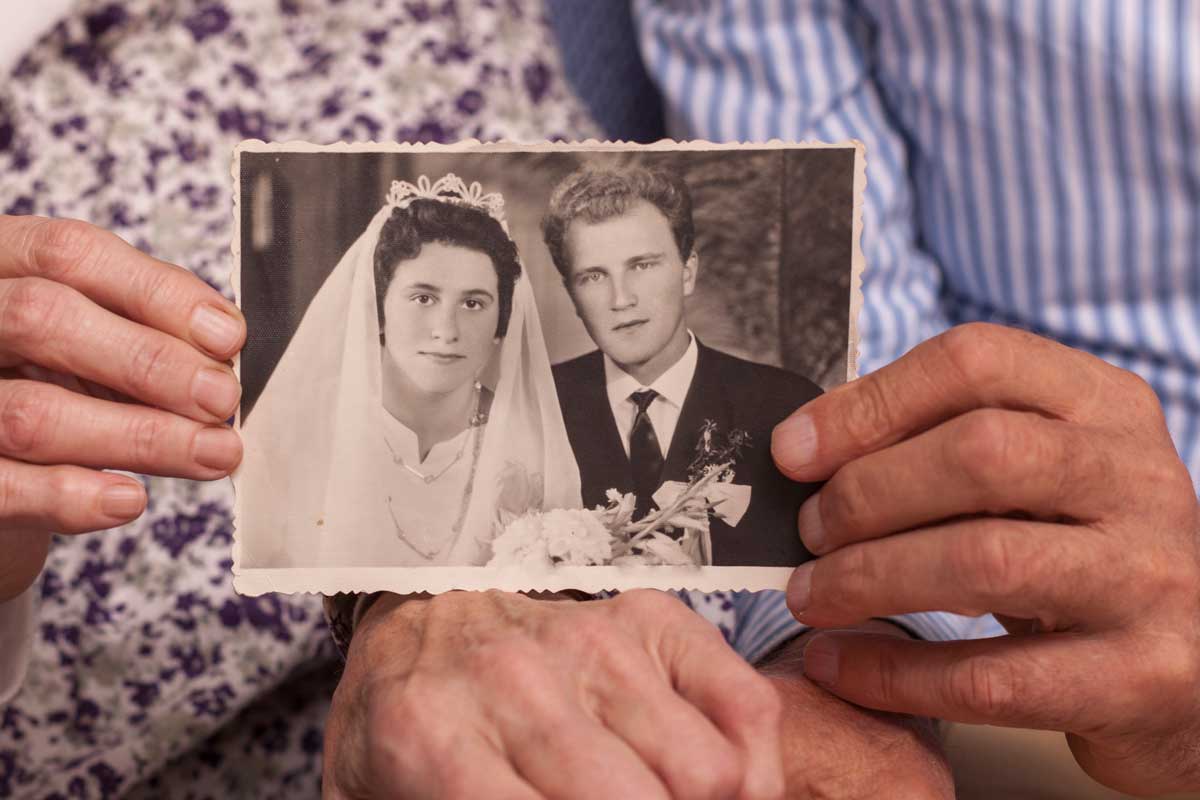
Ways to honour the deceased at a wedding
Weddings can be bittersweet when loved ones can't be there, particularly if they have
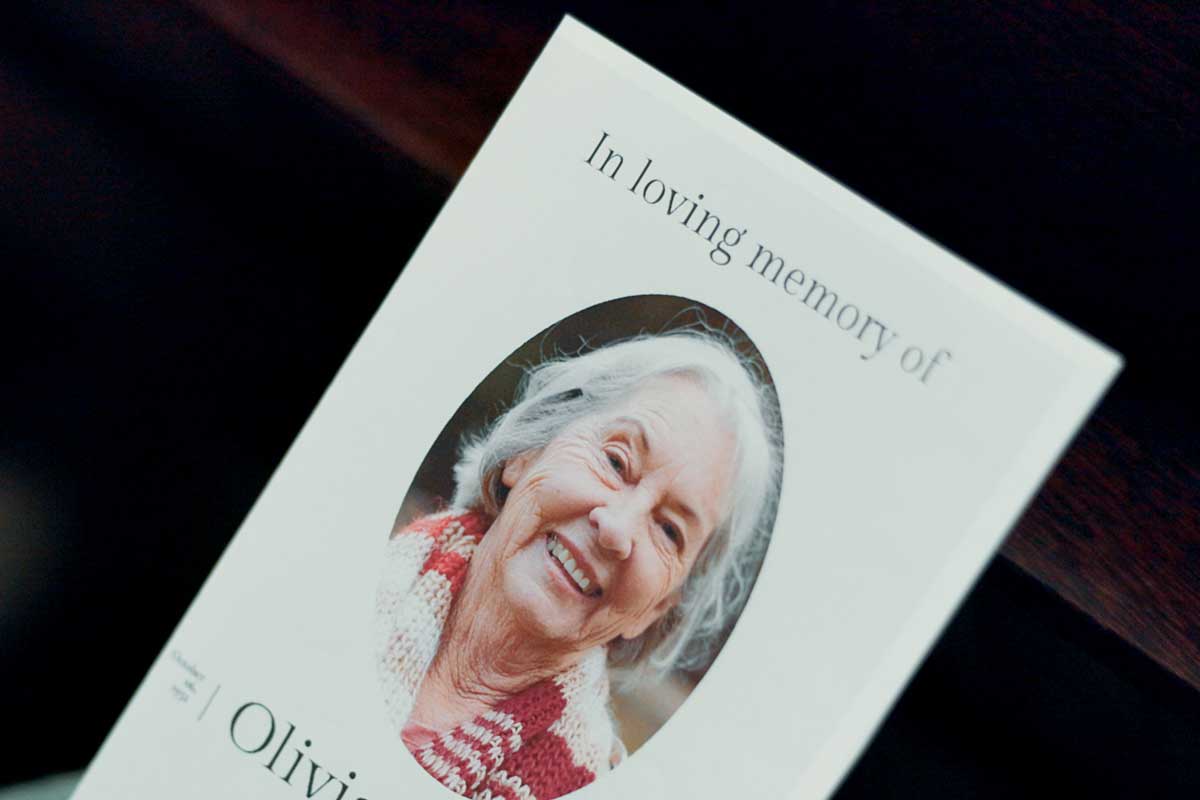
Tips for planning a funeral
Planning a funeral requires thoughtful attention to various factors in order to provide a

Why do celebrants charge so much?
Whilst you may think the job of a celebrant is an easy money maker,